14 Jun 2026
The Silent Shed: Who Actually Owns the Rights to Outbuildings in a Rental Dispute?
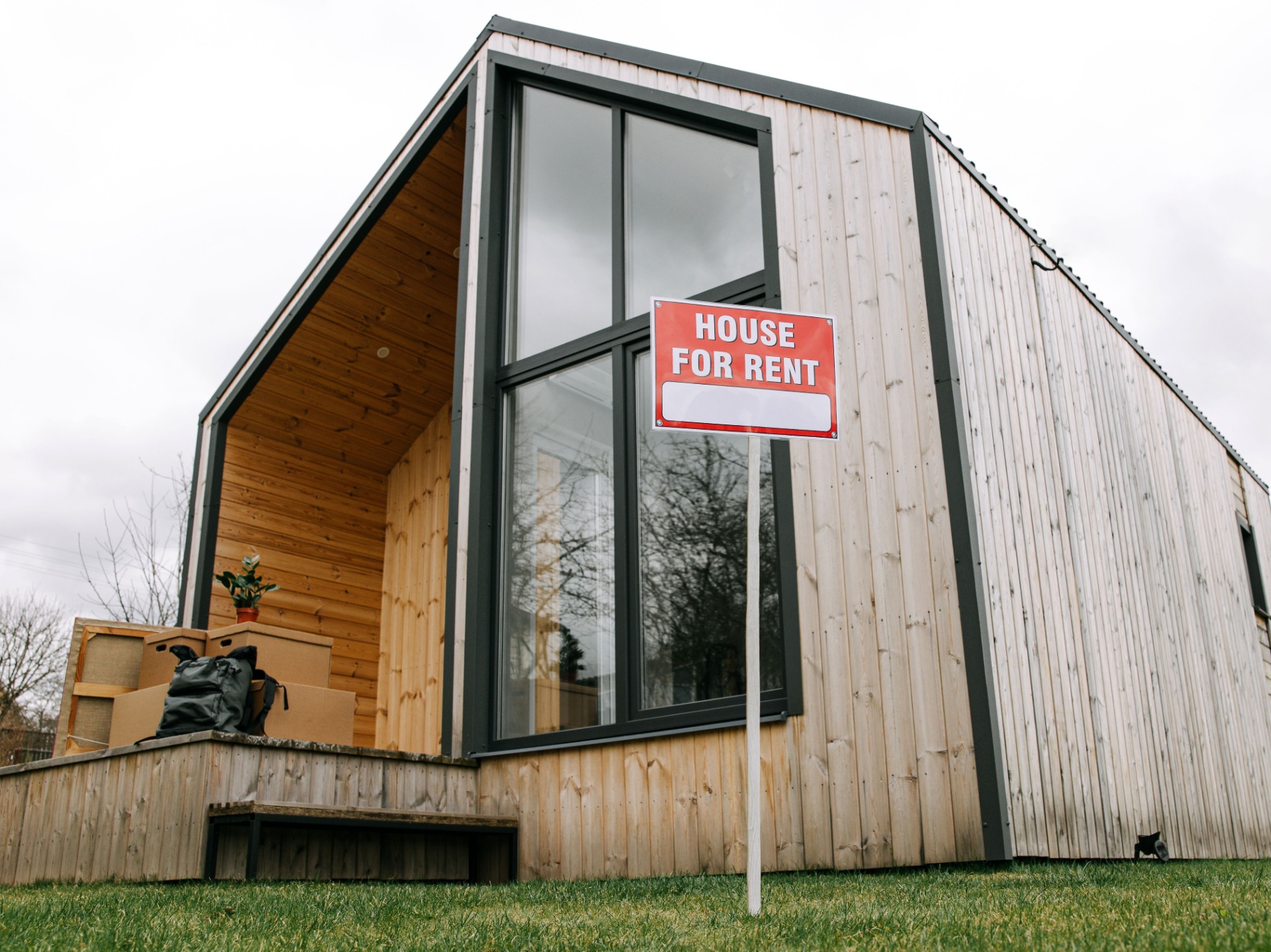
Imagine finding the perfect rental home. It checks all the boxes: a spacious kitchen, a bright living room, and a charming Wendy house in the backyard, perfect for storing your mountain bikes or setting up a quiet home office. You sign the lease, hand over the deposit, and move in—only to discover the Wendy house is securely padlocked. Inside sit the landlord’s old tax files, holiday decorations, and lawnmowers.
When you ask for the keys, the landlord tells you, "Oh, that’s my personal storage. It’s not included in the rent."
This scenario is a classic "implied inclusion" nightmare, and it is one of the fastest ways a landlord-tenant relationship can sour. But when a lease is completely silent on who gets the backyard shed, who actually wins the fight?
The Legal Default: The Boundary Rule
To understand who has the upper hand, you have to look at the fundamental mechanics of a residential lease. When a tenant signs a rental agreement, they aren't just renting the interior walls of a house; they are renting the entire legal boundary of the property under a principle known as exclusive possession.
Unless a specific area is explicitly excluded in the written contract, the law generally assumes that everything within the property line—the garden, the driveway, the garage, and yes, the Wendy house—belongs to the tenant for the duration of the lease.
Because the landlord failed to disclose the storage arrangement beforehand, the law leans heavily in favor of the tenant. By locking the shed, the landlord is effectively withholding square footage that the tenant is actively paying for.
A Clash of Fundamental Rights
When these feuds escalate, they usually trigger a collision of two major legal concepts:
1. The Tenant’s Right to "Quiet Enjoyment"
When a tenant pays rent, they buy the right to live in peace without unannounced interruptions. If a landlord is regularly popping into the backyard to fetch tools or drop off boxes, they are likely breaching the covenant of "quiet enjoyment." Without giving proper notice (usually 24 to 48 hours depending on local laws) and securing the tenant's permission, a landlord entering the yard to access their shed is technically trespassing.
2. The Landlord’s Right to Material Misrepresentation Protection
When a property is marketed, what the tenant sees during the viewing matters. If a functional outbuilding is prominently displayed and nothing is said to the contrary, a tenant can reasonably argue that the landlord committed a "material omission"—withholding vital information that might have changed the tenant's mind about signing the lease or the amount of rent they were willing to pay.
Important Caveat: While the tenant may have the stronger legal argument regarding space, they do not own the landlord’s belongings. Tenants cannot legally break the lock, throw away the landlord’s items, or damage the Wendy house. Doing so instantly flips the legal script, making the tenant liable for property damage or theft.
How to Break the Deadlock
If you find yourself stuck in this backyard battleground, taking the matter straight to a rental tribunal or small claims court is exhausting and expensive. Instead, smart landlords and tenants usually look to one of three practical compromises:
The Rent Reduction (The "Storage Fee")
The easiest fix is financial. The landlord keeps using the Wendy house, but compensates the tenant by discounting the monthly rent (for instance, knocking off R500 to R800 a month). In essence, the landlord is renting a small piece of their own property back from the tenant.
The Clear-Out
If the tenant absolutely needs the storage space for their own belongings, the landlord agrees to move their items to a commercial self-storage facility within a specified timeframe (usually 30 days) and hands over the keys.
The Split Custody
If the Wendy house is large enough, a physical partition can be installed. The landlord keeps half, the tenant gets half, and a strict, respectful protocol is written down detailing exactly when and how the landlord is allowed to come onto the property to access it.
The Ultimate Lesson: Put it in Ink
The entire feud boils down to a single oversight: a failure to communicate in writing.
For landlords, the takeaway is clear: if you want to keep the garage, the attic, or the backyard Wendy house for yourself, it must be written into the lease in bold letters before anyone signs. For tenants, if an outbuilding is crucial to your lifestyle, ask the question before you sign: "Do I get the keys to that?"
Once a compromise is reached in a dispute like this, both parties should sign a quick, brief addendum to the lease. In the world of property management, if it isn't in writing, it doesn't exist.
