
How Foreigners Can Buy Property in South Africa: Complete 2025 Guide
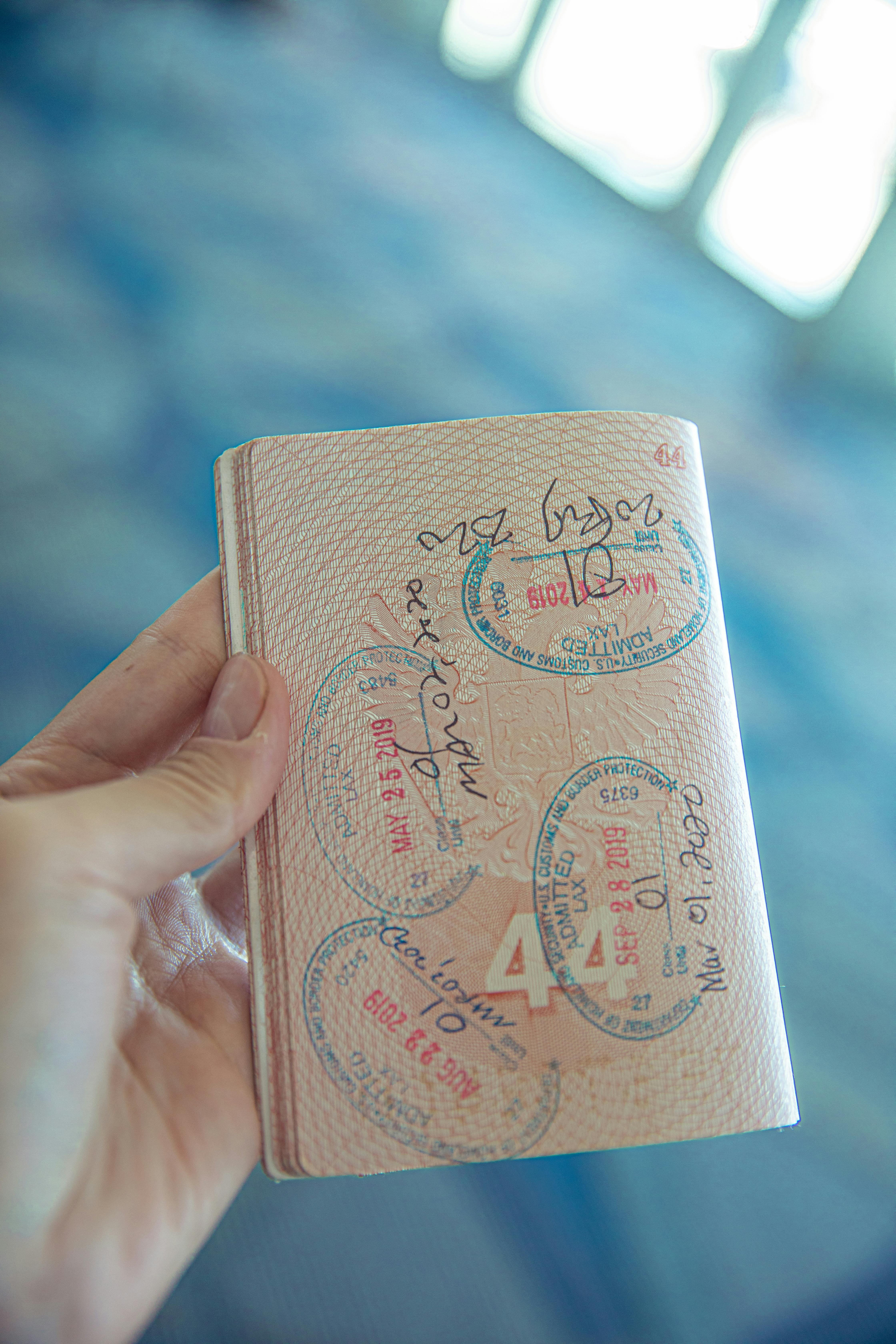
Can Foreigners Buy Property in South Africa?
Foreign nationals and non residents are legally allowed to buy and own immovable property in South Africa. Ownership can be registered in an individual’s name or through a legal entity such as a company or a trust. Foreign buyers may also own shares in a South African company used to hold property.
When property is owned through a foreign registered company, certain administrative steps may apply depending on whether the company is considered an external company under South African law.
There is no general restriction preventing foreigners from owning property in South Africa. The legal framework gives foreign buyers the same ownership rights as South African citizens, subject to compliance with tax and exchange-control regulations.
How Foreign Buyers Can Finance Property in South Africa
Mortgage Options for Non Residents
Foreign buyers may apply for a mortgage from a South African bank, but most banks limit non resident lending to approximately fifty percent of the purchase price. The remaining fifty percent typically must be paid from foreign funds.
Using Foreign Funds for the Purchase
Foreign currency must be transferred to South Africa via an authorised South African bank. Proper documentation proving the origin of funds must be retained for future repatriation.
Some foreign buyers choose to use one hundred percent foreign funds, which may simplify exchange control requirements.
Property Purchase Process for Foreigners in South Africa
Step 1: Sign the Agreement of Sale
A written agreement of sale is signed by the buyer and seller. This contract becomes legally binding once accepted.
Step 2: Appoint Conveyancing Attorneys
A conveyancer, usually selected by the seller but paid by the buyer, handles the transfer. If a bond is taken, an additional attorney registers the bond.
Step 3: Sign Documents Locally or Abroad
Foreign buyers can sign required documents abroad before a notary public or at a South African embassy or consulate.
Step 4: Pay Transfer Duty or Confirm VAT
Transfer duty must be paid prior to registration unless VAT applies. VAT applies primarily when purchasing from a VAT registered property developer.
Step 5: Registration at the Deeds Office
Once all conditions and payments are met, the transfer is lodged at the Deeds Office. Ownership is then officially transferred to the foreign buyer.
Important Note: Voetstoots Condition
Most South African property is sold voetstoots, meaning as is. Buyers must conduct thorough inspections before signing the offer to purchase.
South Africa Property Taxes for Foreign Buyers in 2025
Transfer Duty Rates Effective 1 April 2025
| Property value (ZAR) | Transfer duty |
|---|---|
| 0 to 1 210 000 | 0% |
| 1 210 001 to 1 663 800 | 3% of value above 1 210 000 |
| 1 663 801 to 2 329 300 | 13 614 plus 6% of value above 1 663 800 |
| 2 329 301 to 2 994 800 | 53 544 plus 8% of value above 2 329 300 |
| 2 994 801 to 13 310 000 | 106 784 plus 11% of value above 2 994 800 |
| Above 13 310 001 | 1 241 456 plus 13% of value above 13 310 000 |
Capital Gains Tax and Withholding Requirements
A non resident seller must pay Capital Gains Tax on profit made when selling property. When the selling price exceeds R2 million, a withholding tax applies:
- 7.5% for foreign individuals
- 10% for foreign companies
- 15% for foreign trusts
This withholding is provisional and is credited toward final tax calculated via a tax return.
Tax on Rental Income
Rental income from South African property is taxable in South Africa. Foreign owners must register as taxpayers for rental income purposes.
Exchange Control and Repatriation of Funds
Foreign buyers may repatriate original capital and profits when selling, provided:
- Funds were originally introduced from abroad
- All tax and compliance obligations are met
- Proper documentation is maintained
As of late 2025, additional procedures apply when remitting rental income abroad. These procedures require an application under updated international transfer rules.
Practical Considerations for Foreign Property Buyers
Conduct Full Property Due Diligence
This includes structural inspections, title deed checks, zoning verification and municipal compliance.
Maintain Proof of All Funds Introduced Into South Africa
This documentation is required for future sale and repatriation.
Understand Exchange Rate Risks
Currency fluctuations can significantly affect total investment value and affordability.
Consider Long Term Compliance Requirements
Non residents must comply with tax filings, exchange control rules and potential withholding obligations.
Step by Step Checklist: Buying Property in South Africa as a Foreigner
-
Decide whether to buy personally or through an entity.
-
Open a non resident bank account in South Africa if required.
-
Transfer foreign funds into South Africa through an authorised dealer.
-
Complete property inspections before signing any agreement.
-
Sign the agreement of sale with Next Door Realty facilitating the offer.
-
Pay transfer duty or confirm VAT.
-
Apply for a mortgage if needed.
-
Finalise conveyancing and registration.
-
Ensure title deed records are correct.
-
Retain all documentation for future sale and repatriation.
Why Foreign Investors Buy Property in South Africa
Foreign buyers continue to invest due to:
- Full freehold ownership rights for foreigners
- No nationality based restrictions
- Lower comparative property prices
- Strong long term value in many regions
- Clear processes for repatriating capital and profit
Although compliance requirements exist, the South African property market remains accessible and appealing to international buyers.
Example: Foreign Buyer Purchasing a Property for 3 Million Rand in 2025
Below is a practical example illustrating typical costs and steps for a foreign buyer using a combination of foreign funds and South African finance. The transaction is facilitated by Next Door Realty.
Scenario Details
- Purchase price: R3 000 000
- Deposit: R1 500 000 (foreign funds)
- Mortgage: R1 500 000
- Buyer is a non resident
Estimated Cost Summary
1. Transfer Duty
Value above R2 994 800 is R5 200
Transfer duty is R106 784 plus 11% of 5 200
Total transfer duty is approximately R107 352
2. Conveyancing Transfer Fees
Approximately R39 000 plus VAT
3. Bond Registration Attorney Fees
Approximately R29 000 plus VAT
4. Bank Initiation Fee
Approximately R6 000
5. Deeds Office and FICA Fees
Approximately R1 500 to R2 000
6. Inspection Costs
Approximately R4 000 to R6 000
Total Upfront Costs (excluding deposit)
Approximately R188 000 to R195 000
Total Foreign Funds Required
Deposit: R1 500 000
Costs: Approximately R190 000
Total: Approximately R1 690 000
Example Process Using These Figures
-
Buyer views the property through Next Door Realty.
-
Buyer signs the offer to purchase.
-
Buyer transfers R1 500 000 in foreign currency to a South African bank.
-
Bank approves a R1 500 000 loan.
-
Buyer pays transfer duty and attorney costs.
-
Conveyancing attorneys lodge documents at the Deeds Office.
-
Transfer registers and buyer becomes the legal owner.